
Powered By



Do you feel more tired than usual or notice unusual changes in your heart rhythm? For some people, chronic kidney disease (CKD) and anemia can come as a package deal. Common signs include fatigue, shortness of breath, or a fast or irregular heart beat.
Anemia can be a complication of CKD when your kidneys produce too little erythropoietin (EPO), a hormone that tells your bone marrow when to make red blood cells. Factors like inflammation and blood loss can also increase anemia risk in people with CKD.
This article will cover how to recognize signs of anemia, common causes of anemia, and how to manage it.
First, let’s define anemia. When you have anemia, it means you either have too few red blood cells or too little hemoglobin. Hemoglobin is an iron-rich protein that helps your red blood cells collect oxygen from your lungs and transport it to your organs and tissues.
When you don’t have enough hemoglobin or red blood cells, organs struggle to receive enough oxygen to function properly. As a result, you could feel tired or notice new symptoms related to anemia. Left untreated, anemia can cause heart issues and other complications.
Sign up to view the results!
 Continue with Facebook
Continue with Email
Declining kidney function is a risk factor for anemia. The longer your kidney disease progresses, the more likely you are to experience anemia as a complication. You can have anemia for a long time before you notice any symptoms.
Your kidneys are responsible for producing the hormone EPO, which signals to your bone marrow to produce red blood cells that carry oxygen in the body. As your CKD progresses toward kidney failure, your kidney’s functions decline. This includes EPO production.
With less EPO, you produce fewer red blood cells. The red blood cells you still produce tend to have a shorter life cycle than the red blood cells in someone without CKD-related anemia. This further reduces the number of circulating blood cells you have.
People with CKD are more likely to lose blood compared to people without CKD. Blood loss can happen through dialysis or frequent blood draws. People with CKD are also more likely to have bleeding in their digestive system, for example, from stomach ulcers. Blood loss can lead to anemia.
Low iron is another cause of anemia. CKD can make it harder for you to absorb iron and other nutrients from the foods you eat. Your body needs plenty of iron, vitamin B12, and folate to produce healthy red blood cells. Not eating or absorbing enough of these nutrients can cause nutrient deficiency anemia.
Chronic inflammation, or long-lasting swelling throughout your body, can be a feature of CKD. Inflammation can make it harder for your body to use iron, which can cause anemia. Infections associated with CKD can also worsen anemia.
Many symptoms can result from your organs and tissues lacking the oxygen they need due to anemia. Anemia might not cause any noticeable symptoms at first, but as time goes on, you might experience:
If you notice symptoms that might be from anemia, you should let your doctor know. After reviewing your symptoms, your doctor can use specific tests to see if your CKD is causing anemia.
Your doctor may review your medical history and perform a physical exam, which includes checking your blood pressure and heart rate.
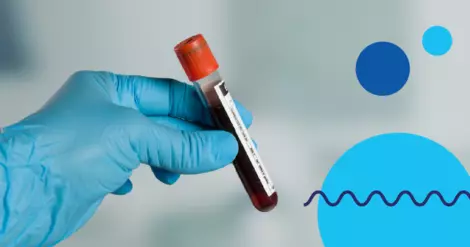
Blood tests can help your doctor identify nutrient deficiencies and any other abnormalities with your red blood cells.
A complete blood count (CBC) is a panel of blood tests that measures the amount of hemoglobin and red blood cells in your blood. This test also lets them look at the size, development, and oxygen-carrying capacity of your blood cells.
In some cases, doctors also use blood tests to look at proteins that store or carry iron in your body. These include ferritin and transferritin tests.
Treatments for anemia in CKD might aim to help you reach your target hemoglobin levels or produce more red blood cells. Other treatments aim to treat anemia symptoms so you’re more comfortable and better able to function throughout the day.
If your doctor finds that iron deficiency causes your anemia, they might prescribe iron supplements. Higher iron levels help your body create more red blood cells.
Iron supplements are commonly recommended for iron deficiency. But your doctor may recommend an iron infusion given intravenously (IV).
If you’re on dialysis for CKD, iron infusions can be given during your dialysis treatments. Talk to your doctor about which iron supplement option is best for your needs and preferences.
EPO-stimulating agents (ESAs) are medications that increase your levels of EPO so that your bone marrow can produce more red blood cells. Like iron infusions, they can be added during dialysis treatments. Otherwise, they’re available as injections into the muscle.
ESAs cause your body to use up its iron supply faster than it otherwise would, so your doctor might prescribe an iron supplement with the ESA to help it work better. Taking iron supplements may also reduce the number of EPO-stimulating injections you need.
ESAs can be highly effective for treating CKD-related anemia, but they’re not the best choice for everyone. ESAs should be avoided if you have a history of cancer. Talk to your doctor about the pros and cons of taking ESAs for your anemia.
Severe cases of anemia might require a blood transfusion. This involves delivering healthy red blood cells from a donor directly into your system through an IV.
There are risks of having too much iron (iron overload) or developing antibodies to donor blood cells with blood transfusions. For this reason, your doctor may limit or avoid blood transfusions as an option altogether if the risks outweigh the benefits for you.
Nutrition can play a big role in preventing anemia in people with CKD. Your doctor or a dietitian can help you adjust your diet to make sure your body has plenty of the nutrients it needs to make healthy red blood cells.
Your care team might recommend certain nutritional supplements, tell you to avoid certain supplements, or design a diet that adds more nutrients.
If certain anemia symptoms are giving you trouble, your doctor might be able to treat them directly. For example, if you experience nightly sleep problems because of your anemia, your doctor might prescribe sleep aids for a short time.

Tell your doctor if you notice any symptoms such as drastic changes in your energy levels, lightheadedness, or weakness. They can run tests to find out if you have anemia and determine if your anemia is related to CKD.
In some cases, you should seek emergency care instead of waiting for your next routine doctor’s appointment.
Get immediate medical care if you have concerning symptoms like shortness of breath or severe chest pain. While these can be from anemia, they can also signal medical emergencies such as heart failure.
Get updates directly to your inbox.




 Continue with Facebook
Continue with Email
Continue with Facebook
Continue with Email
Become a member to get even more





 Join

 Your Privacy Choices

This is a member-feature!
Sign up for free to view article comments.
We'd love to hear from you! Please share your name and email to post and read comments.
You'll also get the latest articles directly to your inbox.