
Powered By



Seeing your creatinine level rise after starting a new blood pressure medicine may have you worried — especially if you already have kidney problems. But a higher serum creatinine level doesn’t always mean worsening kidney function.
Angiotensin-converting enzyme (ACE) inhibitors and angiotensin-receptor blockers (ARBs) are common medications prescribed to treat hypertension (high blood pressure). They can cause a rise in creatinine levels, which doctors measure to monitor kidney function.
The key is how much creatinine rises and what else is happening with your kidney function, blood pressure, and overall health. This article explains why creatinine may rise, what changes to expect, and when it may be concerning.
Sign up to view the results!
 Continue with Facebook
Continue with Email
Your kidneys filter out waste, like creatinine, from your blood.
Angiotensin 2 is a hormone your body makes that helps regulate your blood pressure. High levels of angiotensin 2 can keep your blood vessels, especially in your kidneys, from relaxing. This may lead to hypertension, kidney damage, and worsening heart disease.
ACE inhibitors are medications that reduce your body’s production of angiotensin 2 to lower your blood pressure. Common ACE inhibitors are:
ARBs block the effects of angiotensin 2. Common ARBs are:
The kidneys filter waste through small structures called glomeruli. An ACE inhibitor or ARB causes blood vessels leaving the glomeruli to dilate (widen). This lowers the pressure inside the kidneys, which can affect how waste is filtered from the blood.
The glomerular filtration rate (GFR) is a measure of how well your kidneys are working. Your GFR may decrease because of the lower kidney pressure. Less creatinine is filtered from the blood, so creatinine levels may rise.
Creatinine is a waste product that comes from the normal breakdown of protein from food or your muscle tissue. The kidneys filter creatinine from your blood and remove it from your body through urine.
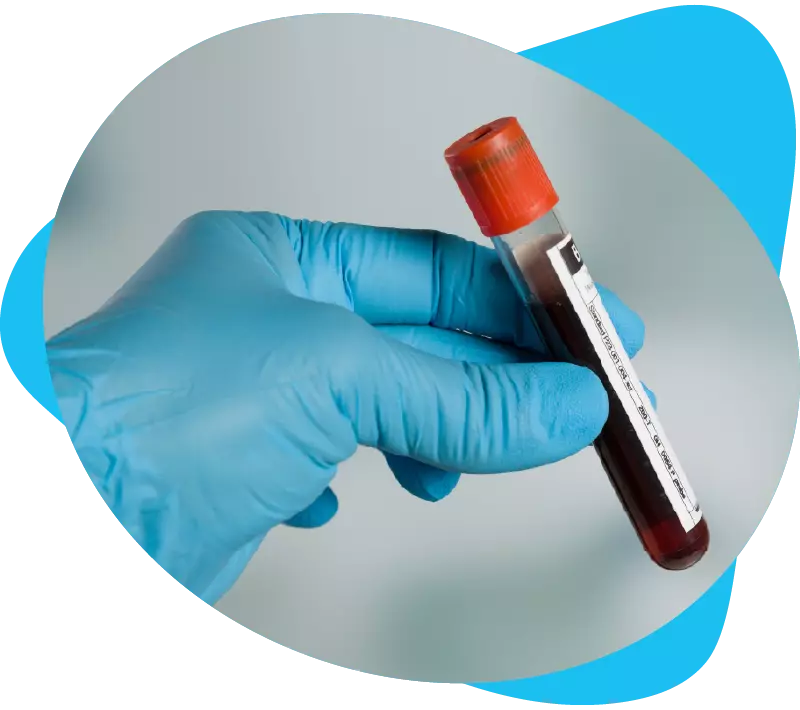 Everyone has creatinine in their body, but too much of it in the blood can be a sign that your kidneys aren’t working well. A serum creatinine test measures creatinine in your blood and is one marker of how well your kidneys filter waste.
An estimated glomerular filtration rate (eGFR) is a calculated number that estimates how well your kidneys filter waste. It’s calculated using your creatinine level, age, and sex.
A lower eGFR often means your kidneys aren’t working as well. Many people living with chronic kidney disease (CKD) have a lower eGFR and higher creatinine levels because their kidneys don’t remove waste from the blood as well as healthy kidneys.
Just because your kidney function tests are outside the normal range, it doesn’t mean your condition isn’t being managed. Someone with stable CKD may have a different baseline creatinine level and eGFR compared to someone with normal kidney function. Your doctor can track changes over time of how well your kidneys are working.
If you’ve recently started an ACE inhibitor or ARB or increased your dose, your creatinine level may increase. The change often happens within the first couple of weeks.
If your creatinine increases more than 30 percent from baseline, your doctor may ask questions or order more tests to find out why. It doesn’t mean that your doctor will stop the medication, but your care team should check for other causes before changing your treatment.
If the creatinine increase is above 30 percent from baseline, your care team may consider the following before changing your medication:
Sometimes creatinine levels rise for reasons other than an ACE inhibitor or ARB. Acute kidney injury (AKI) can happen when kidney function suddenly worsens. Severe illness, infection, and dehydration can cause AKI and raise creatinine levels.
Other medications can also affect kidney function. For example, nonsteroidal anti-inflammatory drugs (NSAIDs) like ibuprofen and naproxen can affect blood flow to the kidneys.
If you’re taking other medications with your ACE inhibitor or ARB, don’t stop taking them without talking to your doctor first. Review any prescription drugs, over-the-counter medications, and supplements you take with your doctor. They can identify which medications may be affecting your kidney function and help you manage your health concerns.
Before starting an ACE inhibitor or ARB, your doctor may check serum creatinine and potassium levels, eGFR, and blood pressure. These tests can show how well your kidneys are working at the start of treatment.
After treatment begins or when your dose is changed, your doctor may repeat these same tests. They’ll look at whether the changes in your creatinine, eGFR, and potassium levels are within a safe range.
If your creatinine rises more than expected, it doesn’t automatically mean your kidneys are failing. It’s one part of the picture your doctor uses to assess your kidney function. Your doctor will likely repeat the blood tests and look for other causes before adjusting your treatment.
Don’t stop taking your ACE inhibitor or ARB on your own because of an abnormal lab result. There are several possible reasons other than ACE inhibitors or ARBs that can increase creatinine levels.
Also, these medications are usually prescribed by your doctor for important reasons. High blood pressure, heart failure, and certain types of kidney disease, including kidney disease related to diabetes, are reasons your doctor may prescribe an ACE inhibitor or ARB.
If your ACE inhibitor or ARB needs adjusting, your doctor can reduce the dose and repeat lab tests within a couple of weeks.

Contact your doctor immediately if you’re told that your creatinine has risen significantly or if your eGFR has fallen significantly. You should also seek medical help right away if you notice:
If you notice swelling of your face, lips, tongue, or throat, or if you have trouble breathing, get emergency medical care right away. This could be angioedema, a rare but serious reaction caused by ACE inhibitors in some people.
Here are some questions you can ask your care team:
If your creatinine rises, ask your doctor what the change means for you. Don’t stop your medication without talking to your doctor first. Your doctor will review your kidney function tests and recommend safe adjustments to your treatment.
Get updates directly to your inbox.




 Continue with Facebook
Continue with Email
Continue with Facebook
Continue with Email
Become a member to get even more





 Join

 Your Privacy Choices

This is a member-feature!
Sign up for free to view article comments.
We'd love to hear from you! Please share your name and email to post and read comments.
You'll also get the latest articles directly to your inbox.