
Powered By



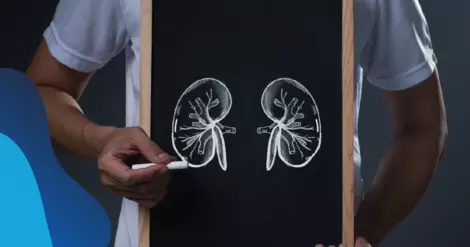
Living with a rare kidney disease can make everyday food choices feel complicated. Many people with complement 3 glomerulopathy (C3G) and immune complex-mediated membranoproliferative glomerulonephritis (IC-MPGN) worry about how a lifetime of food choices will impact their kidneys.
One helpful place to start is by cutting back on sodium. Here’s some background on sodium and low-sodium meal ideas with plenty of flavor.
Sign up to view the results!
 Continue with Facebook
Continue with Email
Continue with Facebook
Continue with Email
Too much sodium can worsen swelling and high blood pressure, two common problems with C3G and IC-MPGN. A high-sodium diet promotes fluid buildup and puts added strain on the kidneys. Over time, too much sodium can accelerate kidney damage.
When you hear “sodium,” you probably think of the salt shaker. But sodium is a natural mineral. It’s found in many different foods, even some you might not suspect.
When buying packaged foods, you can find sodium listed on the Nutrition Facts label. Generally, foods with 240 milligrams of sodium or more per serving are on the high side and should be avoided.
You can look for foods marked as “low sodium” or “sodium free.” Compare different brands and be mindful of your portion sizes. Also pay attention to the serving size listed on the label, as eating more than one serving increases the amount of sodium you consume.
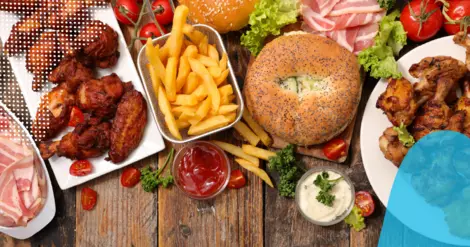
Processed foods and restaurant foods tend to be high in sodium. Sodium adds flavor and extends the shelf life of packaged products. Limiting your intake of canned foods and frozen meals and eating out less can help you cut back.
Cooking fresh foods whenever possible gives you more control over your sodium intake. Here are some recipes to get you started.
Craving a sweet breakfast? Try these kidney-friendly muffins from DaVita Kidney Care.
Looking for a tasty vegetable side dish? This recipe from the National Kidney Foundation doesn’t need salt for flavor. The garlic, lime, black pepper, and cilantro have all your bases covered.
The American Kidney Fund has several low-sodium recipes for people with C3G and IC-MPGN. That’s where we found this flavorful vegetable and rice skillet, which takes around 35 minutes to cook.
Wine and sodium-free seasoning boost the flavor of this high-protein meal from the American Kidney Fund. This flavorful dish takes around 65 minutes to prepare and cook. Watching your protein intake? Find out from your dietitian what the right serving size is for you.
Your specific sodium restrictions depend on your diagnosis and level of kidney function. After reviewing your lab results and medical history, your healthcare provider can make recommendations for you.
In addition, some people with advanced C3G and IC-MPGN need to consider more than just sodium. You may need to follow a low-potassium or low-phosphorus diet too.
Ask about meeting with a registered dietitian to make meal planning a little less stressful. They can help you make a grocery list, find recipes, and learn how to eat well for your condition.
On MyKidneyDiseaseTeam, people share their experiences with kidney disease, get advice, and find support from others who understand.
What are your favorite sodium-free ways to add flavor? Let others know in the comments below.
Get updates directly to your inbox.



 Continue with Facebook
Continue with Email
Continue with Facebook
Continue with Email
Continue with Facebook
Continue with Email
Continue with Facebook
Continue with Email
Become a member to get even more





 Join
Join

 Your Privacy Choices

This is a member-feature!
Sign up for free to view article comments.
We'd love to hear from you! Please share your name and email to post and read comments.
You'll also get the latest articles directly to your inbox.