
Powered By


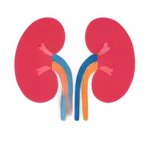 Living with chronic kidney disease (CKD) can mean learning a lot over time. Lab results may become more familiar. Food choices may require more thought. Energy levels can change, and medical appointments can bring new questions.
In conversations on MyKidneyDiseaseTeam like this one, “What’s one thing living with kidney disease has taught you?” members have shared what helps them adjust to these changes. Their lessons aren’t a set of rules for managing CKD.
What works for one person may not be right for another. Instead, their experiences show how people learn what works for them, ask questions, seek support, and make room for what matters to them.
Here are six lessons members have shared.
Sign up to view the results!
 Continue with Facebook
Continue with Email
 1. Learn What Your Numbers Mean
Blood and urine tests can become a regular part of life with CKD. Some of the numbers you may hear about include:
These tests can help your healthcare team assess kidney function and look for changes over time.
One member described encouraging people to ask more questions: “I am advocating with my family and friends with these diseases to include a kidney health inquiry question to their MD: How are my creatinine, BUN, [and] EGFR labs trending?”
Risk factors and screening needs can vary from person to person, so your healthcare team is the right source for understanding what individual lab results mean for you.
 Ask About Your Labs
Instead of trying to interpret numbers on your own, consider asking:
 2. Food Choices May Need More Attention
After a CKD diagnosis, some members found themselves thinking about food in new ways. There is no single meal plan for everyone with CKD. Your food and fluid needs may depend on your:
One MyKidneyDiseaseTeam member said they’ve learned to be more careful about what they put in their body. “Didn’t know kidneys were so important. I read all the labels on foods and Google ingredients.”
For people managing several health conditions, food choices can become even more complicated. One member described the complexity of living with three conditions at once: CKD, diabetes, and atrial fibrillation (AFib), a heart rhythm disorder: “It has taught me to be even more label conscious than before. … It’s a balancing act that is frustrating and quite difficult at times.”
These experiences highlight why food choices shouldn’t necessarily be reduced to a single “kidney diet.” Individual needs can differ.
 Seek Personalized Nutrition Help
If you’re confused about what to eat, ask your healthcare team whether individualized nutrition guidance would be helpful. A registered dietitian with experience in kidney disease can take your overall health needs into account and help you understand the recommendations you’ve been given.
Some members have learned that trying to push through exhaustion doesn’t always work for them. Instead, they listen to their bodies and rest when they need to.
“I accept the tiredness as part of CKD. I rest and/or nap,” one MyKidneyDiseaseTeam member shared.
Another said, “I take naps as needed when I am fatigued. I have found I feel worse and will get sick fairly quickly when I have tried to ‘power through’ the exhaustion.”

Resting when you need it isn’t the same as ignoring fatigue. Fatigue can be related to kidney disease or complications such as anemia, but it can also have other causes.
 Know When To Mention Fatigue
Tell a healthcare professional if fatigue is new, worsening, or making everyday activities difficult. They can help evaluate what you’re experiencing and whether anything else may be contributing to it. They may also have suggestions around easing the effects of fatigue.
 Members also described activities that give their days structure and help them focus on more than CKD. What that looks like varies widely.
“I force myself to go water exercise first thing in the morning, and then the rest of the day, I clean here and there and mostly sit, except to get up and eat. No guilt,” one member wrote.
One member shared that they try not to focus on CKD every day, except around doctor visits or blood work. They explained how they handle those moments: “Then, I will think about it but try not to worry I might be getting worse. Keeping busy, like cutting my lawn, working out, and bowling, trying to stay busy. That’s what works for me.”
The phrase “That’s what works for me” is important. One person’s routine doesn’t need to become someone else’s.
Activities you enjoy might provide routine, connection, or simply something to look forward to. If you’re unsure what kinds or amounts of physical activity are appropriate given CKD or other health conditions, ask a healthcare professional for individualized guidance.
 5. Support Can Come From Many Places
Managing CKD doesn’t have to be a solo experience. Members described finding support through partners, relatives, friends, pets, and other people living with kidney disease.
“My husband is my biggest supporter in ALL my health issues. He understands that it could have easily been him having issues instead of me,” one MyKidneyDiseaseTeam member shared.
Community can matter, too. Another member said of MyKidneyDiseaseTeam: “Connecting with people on this site makes you realize you are not alone! I really appreciate everyone on this site and wish I could meet you all in person ♥️♥️”
Support can mean different things at different times. Sometimes you may need practical help. Other times, having someone listen may be enough.
If you’re comfortable asking for help, consider telling people what would actually make things easier. That could mean help with an errand, company at an appointment, a check-in on a difficult day, or simply someone who will listen without trying to fix the situation.
 6. Self-Advocacy Can Mean Asking More Questions
Learning about CKD gave some members more confidence to ask questions and participate actively in medical appointments.
“When I was diagnosed with CKD, I did all the research I could find on the subject. The more you know about the disease, the more you can ask your doctor about,” one member shared. They also advised: “Have someone go with you to the doctor visits.”
Self-advocacy doesn’t mean you need to become a kidney expert. It can simply mean making sure you understand the information you’re given and speaking up when you don’t.
 Prepare for Your Appointment
Before an appointment, you might write down your most important questions and bring a trusted person if you’d find that helpful. During the visit, ask for unfamiliar terms to be explained and find out whom to contact if questions come up later.
Has kidney disease changed your routines, energy, meals, work, relationships, or plans? What has helped make daily life easier or more manageable? Share your experiences, practical tips, or challenges with day-to-day life.
Continue with Facebook
Continue with Email
I find now at stage 3a I have more fatigue that also comes from iron deficiency anemia and now low RBC count. I try to get appointments for my husband and myself in the am and then when we get back I… read more
You'll also get the latest articles directly to your inbox.


I find now at stage 3a I have more fatigue that also comes from iron deficiency anemia and now low RBC count. I try to get appointments for my husband and myself in the am and then when we get back I… read more
You'll also get the latest articles directly to your inbox.
Get updates directly to your inbox.

 Continue with Facebook
Continue with Email
Continue with Facebook
Continue with Email
Become a member to get even more





 Join


 Your Privacy Choices
