
Powered By



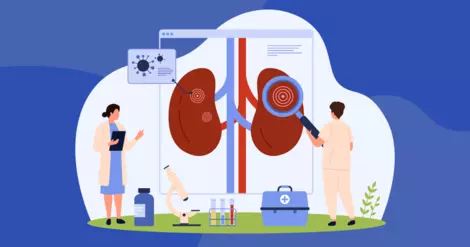
Complement 3 (C3) glomerulopathy is a set of rare kidney (renal) diseases that can cause a variety of symptoms. Glomerulopathy refers to damage done to glomeruli — the tiny filtering units in the kidneys. Your kidneys’ job is to filter out waste and fluid. When these organs become damaged, you may notice changes in your urine or swelling due to fluid buildup.
Knowing the symptoms of C3 glomerulopathy can help you identify the disease sooner rather than later. Your doctor or nephrologist (kidney specialist) will develop a tailored treatment plan to help control your symptoms and reduce the chances of C3 glomerulopathy progressing to kidney failure.
“C3 glomerulopathy” is a term for two types of kidney disease — C3 glomerulonephritis (C3GN) and dense deposit disease (DDD). These names were introduced in 2013, so people diagnosed earlier may have heard their condition called membranoproliferative glomerulonephritis (MPGN) or mesangioproliferative glomerulonephritis. These conditions happen when the complement system — a key part of your immune system — becomes overactive.

The complement system includes nearly 50 proteins, including one called C3. When you have an infection, C3 breaks down to help start inflammation and trigger other complement proteins to fight off bacteria and viruses. However, if other causes activate the complement system, it can harm your body instead of helping.
Some people have gene mutations (changes) that affect how the system is controlled — like brakes that don’t work — and can lead to uncontrolled inflammation. In other cases, autoantibodies (proteins that attack your own body) can interfere with the complement system.
The kidneys are especially sensitive to this kind of inflammation. Pieces of broken-down C3 can get stuck in the glomeruli, causing damage and scarring. This affects kidney function by making it harder for these organs to filter waste and fluid from your blood. Your doctor may order a blood test to measure your glomerular filtration rate, or how much blood your kidneys filter every minute.
As toxins and fluid build up, the damage can get worse. If it’s not treated in time, C3 glomerulopathy can lead to end-stage renal disease and kidney failure. At that point, the only treatment options are dialysis or a kidney transplant.
Your kidneys are like your body’s cleaning crew — they filter toxins from your blood so these unwanted substances can be removed in your urine. But kidneys have several other functions too. For example, they also do the following:
Because your kidney health has a direct impact on your overall health, damage from C3 glomerulopathy can cause noticeable changes. Symptoms can be different for each person and may be mild or severe, depending on the amount of damage.
Many people don’t notice symptoms until their C3 glomerulopathy has reached a more advanced stage. Symptoms can start at any age. In C3GN, symptoms often begin in adulthood, usually after age 30. In DDD, signs tend to show up earlier, often in children and young adults.
Keep in mind that if you don’t already have a diagnosis and you’re noticing symptoms like the ones below, they’re more likely due to another kidney-related condition. C3 glomerulopathy is very rare — it affects only about 2 to 3 people per million. However, understanding these signs and symptoms may motivate you to talk with your doctor and get tested. Whether or not C3 glomerulopathy is the cause, knowing what to look out for is an important first step.
Your urine can give you clues about your kidney health. Red, pink, or brown urine may be a sign of C3 glomerulopathy. These color changes are caused by blood in your urine, a condition called hematuria. You may also notice spots of blood floating in the toilet. Sometimes, the amount of blood is so small that it can be detected only with urinalysis (a urine test).
Hematuria is a sign that your kidney’s filtering units are damaged. Normally, the glomeruli remove waste and fluid while keeping important substances like proteins and blood cells inside your body. However, in C3G, the glomeruli are damaged, allowing blood to leak into your urine.
Dark, foamy, or cloudy urine may be a sign that protein is leaking into your urine. Normally, your kidneys keep protein in your blood because it’s too large to pass through the filters. Protein is important for building muscles and helping your body maintain balance.
In C3 glomerulopathy, proteins can leak out of your kidneys and into your urine. This condition is called proteinuria or albuminuria, named after the protein albumin, which can leak into urine due to kidney disease.
If your urine protein levels are very high, you may develop nephrotic syndrome. This glomerular disease can also cause symptoms such as swelling, loss of appetite, and weight gain from fluid buildup.
Damaged kidneys can’t filter waste properly. As a result, toxins build up in your blood — a condition called azotemia. Two key waste products doctors look for are urea, which forms when your body breaks down protein, and creatinine, which comes from your muscles. If kidney disease gets worse, it can lead to uremia, a group of symptoms caused by the buildup of these toxins.
Uremia can be a sign of C3 glomerulopathy. High levels of creatinine and urea can affect how your brain works, making it harder to focus and remember things. Uremia can also cause fatigue (extreme tiredness that doesn’t improve with rest), muscle cramps, itching, and shortness of breath.
As C3 glomerulopathy progresses, you may notice swelling in your body. Your kidneys can’t clear out excess fluid as well as before, so the fluid builds up.
You may see puffiness or tight skin around your hands, feet, and ankles. Swelling can also appear around your eyes, making your eyelids or the area under your eyes look puffy.
Excess fluid buildup can put extra pressure on blood vessels, causing hypertension (high blood pressure), which is a common symptom of C3 glomerulopathy and other kidney diseases. It’s important to treat high blood pressure before it damages your kidneys further.
High blood pressure usually doesn’t cause noticeable symptoms, so it’s important to get regular checkups and screenings at your doctor’s office. In severe cases, some people may have headaches, nosebleeds, or shortness of breath.
Your kidneys normally filter out uric acid, a waste product made when your body breaks down purines, which are found in certain foods and drinks like alcohol. In C3 glomerulopathy, damaged kidneys may not remove enough uric acid, so it collects in joints and forms crystals. This is known as gout, a type of inflammatory arthritis that causes painful, swollen, hot joints.
Gout typically affects one joint at a time, most often the big toe. Gout tends to come in flares that last several days to weeks, with symptom-free periods in between.
If you notice new or worsening symptoms of C3 glomerulopathy, talk with your healthcare provider or nephrologist. It’s important to keep your provider updated on your symptoms at every visit.
Worsening symptoms may mean your current treatment plan isn’t working as well as it should. Your doctor or nephrologist may change one or more of your medications to better control your symptoms and help improve your quality of life.
On MyKidneyDiseaseTeam, people share their experiences with kidney disease, get advice, and find support from others who understand.
Which C3 glomerulopathy symptoms have you noticed? Share your experience in the comments below.
Get updates directly to your inbox.


How can I get my creatinine down below a two? I want to get it down to a one. What do I do?


 Continue with Facebook
Continue with Email
Continue with Facebook
Continue with Email
Continue with Facebook
Continue with Email
Continue with Facebook
Continue with Email
Become a member to get even more





 Join
Join


 Your Privacy Choices

This is a member-feature!
Sign up for free to view article comments.
Can this cause sugar levels to be higher mimicking diabetes
We'd love to hear from you! Please share your name and email to post and read comments.
You'll also get the latest articles directly to your inbox.