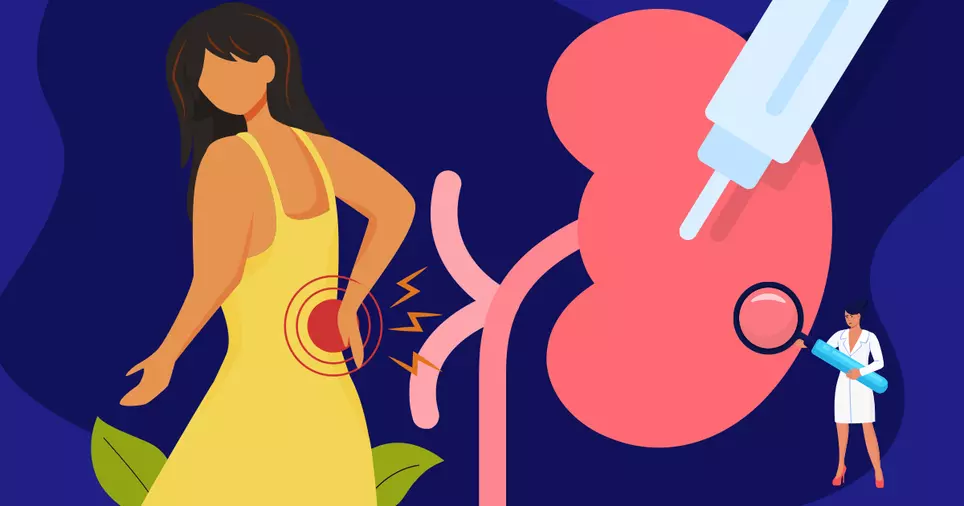
A kidney biopsy is a procedure where a small piece of kidney tissue is removed and examined under a microscope. It's typically performed in a hospital by a nephrologist or an interventional radiologist.
Before the procedure, your doctor will likely ask you to:
- Stop taking blood thinners and certain pain medications (like Show Full Answer
A kidney biopsy is a procedure where a small piece of kidney tissue is removed and examined under a microscope. It's typically performed in a hospital by a nephrologist or an interventional radiologist.
Before the procedure, your doctor will likely ask you to:
- Stop taking blood thinners and certain pain medications (like aspirin or ibuprofen)
- Avoid eating or drinking for a set period beforehand
- Complete pre-biopsy tests like blood work or urine samples There are two main ways a kidney biopsy is performed, and both take about an hour:
1. Percutaneous (needle) biopsy – The most common method. A thin needle is inserted through the skin into the kidney, guided by an ultrasound or CT scan. The skin is numbed beforehand, and you may be asked to hold your breath briefly while the sample is taken.
2. Open biopsy – A small incision is made in the skin to access the kidney directly. The sample is taken and the incision is stitched closed.
You may be given general anesthesia (fully asleep) or light sedation (awake but relaxed). Most people lie on their stomach, unless the biopsy is on a transplanted kidney, in which case you'd lie on your back. After the procedure, you'll be monitored in a recovery room for a few hours, and in some cases overnight. You won't be able to drive yourself home, so it's a good idea to plan transportation ahead of time.
A couple of important risks to be aware of include:
- Bleeding – The main risk during the procedure if a blood vessel is nicked
- Infection – A small risk after the procedure
- Urinary issues – Such as difficulty urinating or a urinary tract infection
Results are usually available within 3 to 5 days, though there's a small chance results could be inconclusive.
AI-generated responses are not a substitute for medical advice. These services are not intended to
diagnose, treat, or cure any condition or disease. Always ask your doctor about specific health concerns.

Kidney Biopsy Procedure: What To Expect
October 6








 Join



 Your Privacy Choices
