Stage 3a chronic kidney disease (CKD) means your kidneys have mild to moderate damage and aren't filtering waste from your blood as efficiently as they should. At this stage, your eGFR (a measure of how well your kidneys filter waste) falls between 45 and 59.
The encouraging news? With the right management, many people are Show Full Answer
Stage 3a chronic kidney disease (CKD) means your kidneys have mild to moderate damage and aren't filtering waste from your blood as efficiently as they should. At this stage, your eGFR (a measure of how well your kidneys filter waste) falls between 45 and 59.
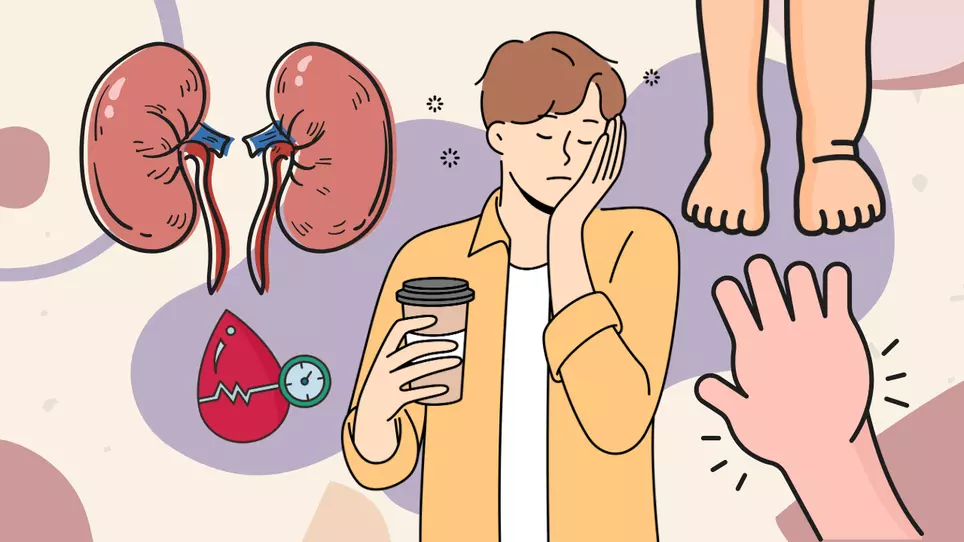
The encouraging news? With the right management, many people are able to slow or even stop progression to later stages. As one MyKidneyDiseaseTeam member shared, "I was diagnosed in 2015 with stage 3 chronic kidney disease. I have watched it diligently since then and have been able to keep it stable." At stage 3a, symptoms may start to appear as waste and fluid begin building up in the blood. These can include:
- Feeling constantly tired or weak
- Swelling in the face, hands, or feet
- Dry or itchy skin
- Muscle cramps
- Trouble sleeping
- Changes in how often you urinate
- Darker or foamy urine
- Lower back pain near the kidneys
Some people have no symptoms at all at this stage, which is why regular check-ins with your doctor are so important. At stage 3a, treatments like dialysis or a kidney transplant are not needed yet. However, this is a key time to take action. Working closely with your nephrologist on diet, lifestyle changes, and managing any contributing factors can make a real difference in protecting your kidney function long-term.
August 19







 Join





 Your Privacy Choices
