This is such a difficult and scary situation to be in, and it makes complete sense that you're wrestling with these decisions. A GFR of 55 means your kidneys are already working at a reduced capacity, so protecting that function while also addressing potential cancer is a very real balancing act.
A kidney biopsy does carry Show Full Answer
This is such a difficult and scary situation to be in, and it makes complete sense that you're wrestling with these decisions. A GFR of 55 means your kidneys are already working at a reduced capacity, so protecting that function while also addressing potential cancer is a very real balancing act.
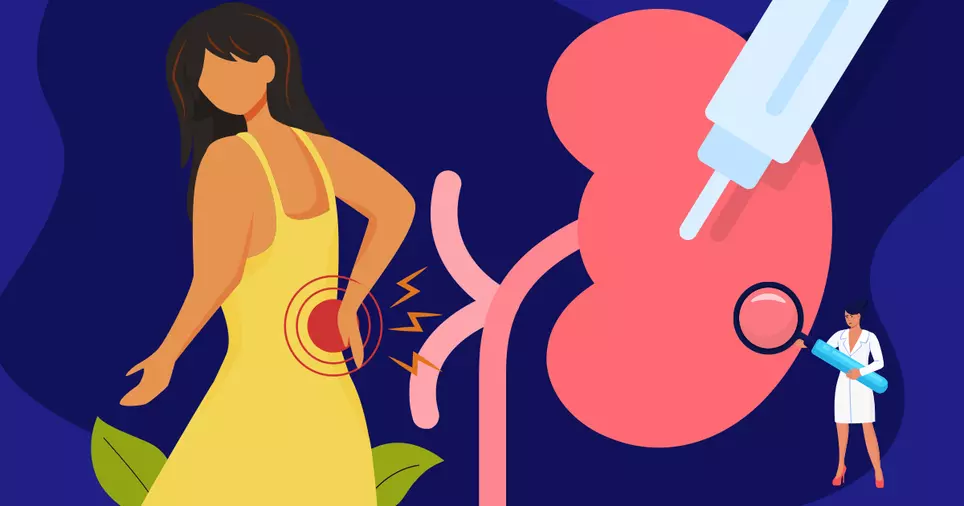
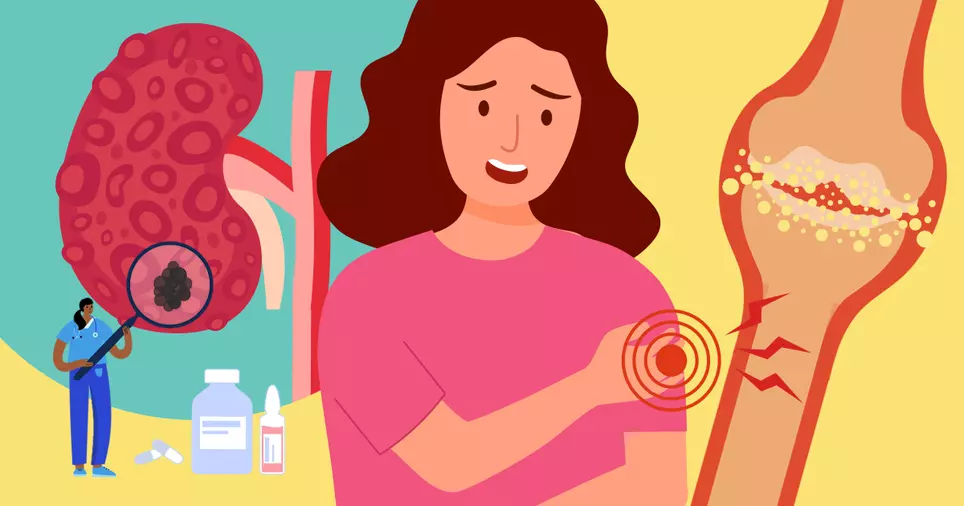
A kidney biopsy does carry risks, including:
- Bleeding if a blood vessel is nicked
- Infection after the procedure
- Urinary retention or urinary tract infection
- In rare cases, more serious complications
However, doing nothing also carries significant risk — leaving a potential cancer untreated could allow it to progress and ultimately destroy kidney function anyway. Minimally invasive options like freezing (cryoablation) or burning (radiofrequency ablation) are sometimes used precisely because they can target a mass while trying to preserve as much healthy kidney tissue as possible. These may be worth discussing in depth with your nephrologist and a urologic oncologist together.
The most important step right now is getting both specialists in the same room — or at least in communication — so they can weigh your kidney function against the cancer risk as a team. This is not a decision anyone should be making alone, and you deserve a clear, coordinated plan.
Please don't make the decision to do nothing without that full specialist conversation first.
May 14







 Continue with Facebook
Continue with Email

 Join




 Your Privacy Choices
