How can eGFR levels be improved?
Unfortunately, eGFR levels typically can't be raised once kidney damage has occurred. The eGFR measures how well your kidneys are filtering waste from your blood, and a lower number means more kidney damage. The goal is to slow down further decline rather than reverse existing damage.
However Show Full Answer
How can eGFR levels be improved?
Unfortunately, eGFR levels typically can't be raised once kidney damage has occurred. The eGFR measures how well your kidneys are filtering waste from your blood, and a lower number means more kidney damage. The goal is to slow down further decline rather than reverse existing damage.
However, you can take steps to protect your remaining kidney function and potentially slow disease progression:
Work with your healthcare team regularly to monitor your kidney health and adjust treatments as needed. A nephrologist can provide specialized care and prescribe medications to protect your kidneys.
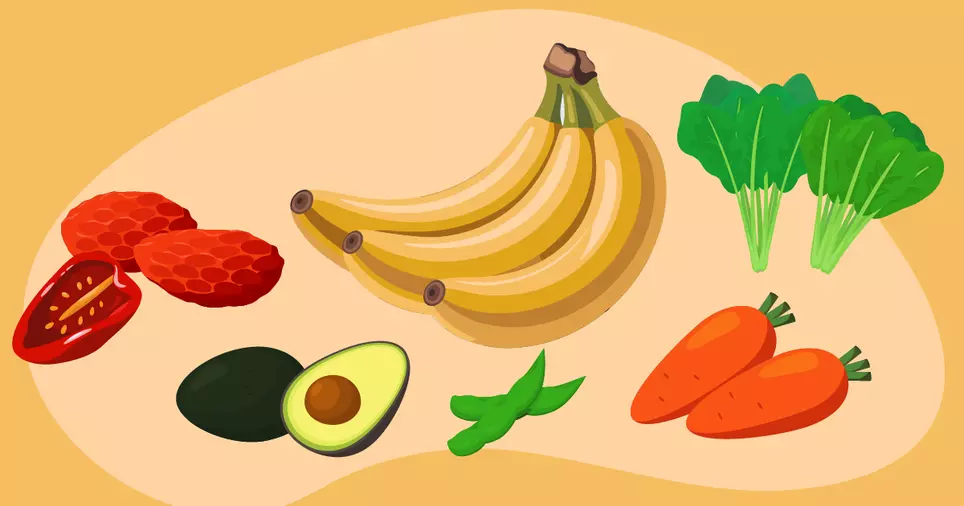
Follow a kidney-friendly diet by focusing on fresh fruits and vegetables, whole grains, and lean proteins. You may need to limit salt, potassium, calcium, phosphorus, and protein. A registered dietitian can create a personalized plan for your stage of kidney disease.
Stay physically active with about 30 minutes of exercise most days of the week. Activities like walking, swimming, cycling, or yoga can help you feel stronger and may slow kidney disease progression.
Manage underlying conditions like high blood pressure and diabetes, as controlling these can help prevent further kidney damage.
Avoid substances that harm kidneys, including NSAIDs, certain supplements, and smoking or heavy alcohol use.
Catching changes in your eGFR early through regular blood tests is key to preserving your kidney function for as long as possible.
April 3






 Continue with Facebook
Continue with Email

 Join





 Your Privacy Choices
