What foods are best for managing kidney disease?
When living with kidney disease, your diet plays a key role in protecting your kidneys from further damage. The right eating plan depends on your specific type of kidney disease, stage, other health conditions, and treatments you're receiving.
In general, you'll want to limit Show Full Answer
What foods are best for managing kidney disease?
When living with kidney disease, your diet plays a key role in protecting your kidneys from further damage. The right eating plan depends on your specific type of kidney disease, stage, other health conditions, and treatments you're receiving.
In general, you'll want to limit certain nutrients that can stress your kidneys:
- Sodium (salt) - Found in processed foods, fast food, and canned items
- Potassium - Found in beans, leafy greens, avocados, bananas, and potatoes
- Phosphorus - Found in dairy products, dark colas, chocolate, whole grains, and some nuts
You may also need to adjust your protein intake. In early stages, too much protein can stress the kidneys. If protein restriction is needed, consider eating smaller portions of meat, poultry, or fish (1-2 ounces) and thinking of vegetables and grains as the main part of your meal.
Better food choices include:
- Eggs (especially egg whites if yolks need limiting)
- Smaller portions of lean meats as side dishes rather than main courses
- Salads with kidney-friendly vegetables
- Steamed rice
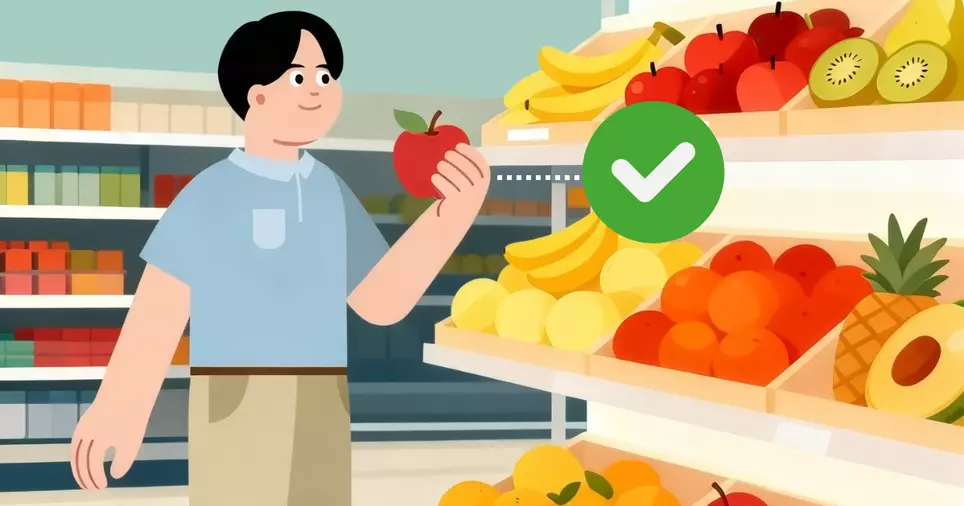
- Fresh fruits like grapes, cranberries, and apples
- Foods prepared without frying
It's important to avoid or limit fast food and processed foods, which often contain hidden sodium, phosphorus, and additives that aren't kidney-friendly. Working with your nephrologist and a registered dietitian is essential. They can create a personalized meal plan that fits your lifestyle, food preferences, budget, and cultural practices. They'll also adjust your plan over time as your needs change.
Don't hesitate to ask your doctor for a dietitian referral if you need help figuring out what works best for you.
December 24, 2025






 Continue with Facebook
Continue with Email

 Join





 Your Privacy Choices
