
Powered By


Bright's disease in 1960 left 1
5 kidneys inoperative
Honestly this is something I felt in my own body before any doctor explained it to me. When my kidney numbers started dropping, the attacks just came more often and hit harder. It took me a while to connect the dots but it makes so much sense when you think about it, the kidneys do so much of the "cleaning" work and when they're struggling at like half capacity or less, uric acid just... sits there in your blood with nowhere to go. Mine was stubbornly high even when I was being careful with diet. What helped me understand it better was tracking my creatinine levels alongside my uric acid results, I could actually see them move together. Have you talked to your nephrologist specifically about the uric acid part? Mine had a completely different approach once kidney function was part of the conversation.
From my own experience with high uric acid, the kidney connection — extra text to avoid exact match issues
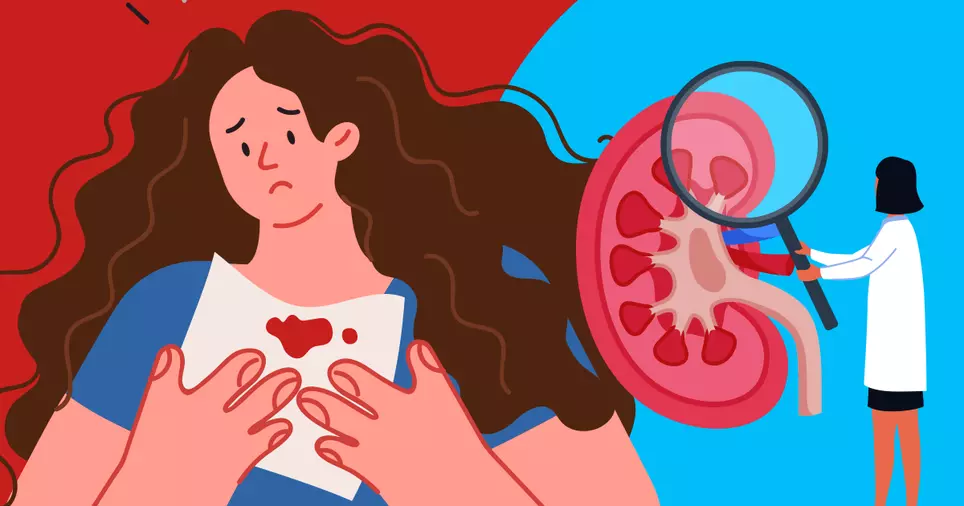
From my own experience with high uric acid, the kidney connection was one of the first things my doctor pointed out. When kidney function is reduced, the body has a harder time flushing out uric acid, so levels rise more easily. With only partial kidney capacity, that threshold gets reached faster.
What's less obvious is the inflammation angle. Once a chronic inflammatory condition is under control, the body's whole metabolism can shift a bit. I've read that this kind of transition period sometimes stirs up uric acid deposits that were sitting quietly before.
It's worth raising this pattern with whoever is following your kidney situation, especially the timing between the resolution of the inflammation and the gout flares picking up. That sequence might tell them something useful.

Why might gout attacks increase with reduced kidney function?
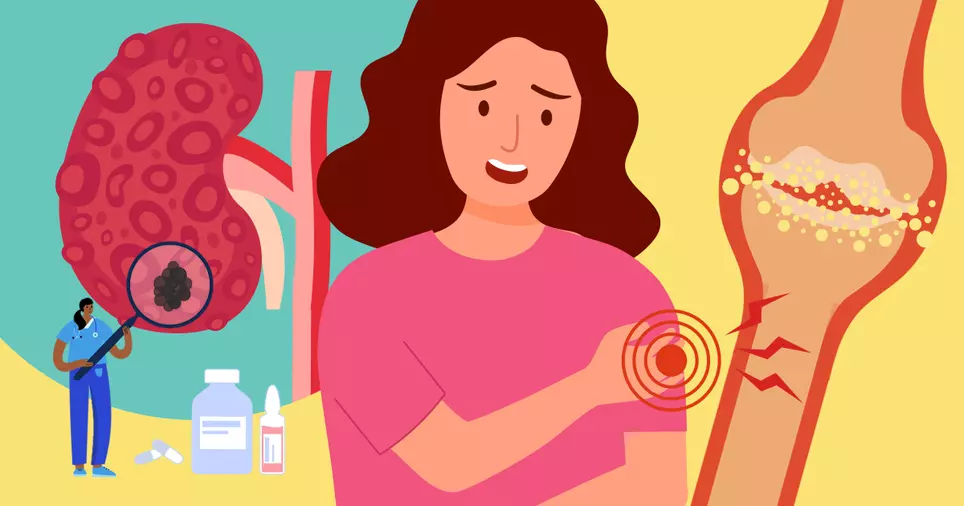
When kidney function declines, the kidneys can't filter out enough uric acid from your blood. This causes uric acid to build up in your bloodstream, eventually forming crystals in your joints — especially in the big toe. These crystals trigger the painful swelling Show Full Answer



 Join




 Your Privacy Choices
