Connect with others who understand.

  •   Learn from expert-reviewed resources
  •   Real advice from people who’ve been there
  •   People who understand what you’re going through
Sign Up Log In
Powered By
Real members of MyKidneyDiseaseTeam have posted questions and answers that support our community guidelines, and should not be taken as medical advice. Looking for the latest medically reviewed content by doctors and experts? Visit our resource section.
A MyKidneyDiseaseTeam Member asked a question 💭
Eugene, OR
April 23, 2025
 · 
Be the first to react
A MyKidneyDiseaseTeam Member

Something I've spent a lot of time reading about, given my own uric acid terrain.

From what I understand, the kidneys clear most of the uric acid the body produces. When kidney function drops, uric acid starts building up in the blood, and if it stays elevated long enough, it can form crystals in the joints. That's essentially the gout mechanism.

The tricky part is it seems to go both directions. Impaired kidneys let uric acid rise, and persistently high uric acid may in turn put extra load on the kidneys over time.

For me personally, hydration and cutting back on certain high-purine foods made a visible difference in my blood tests after several months. Not overnight, but real and steady.

Has anyone here had their doctor flag uric acid levels specifically because of a CKD diagnosis?

June 16
MyKidneyDiseaseTeam

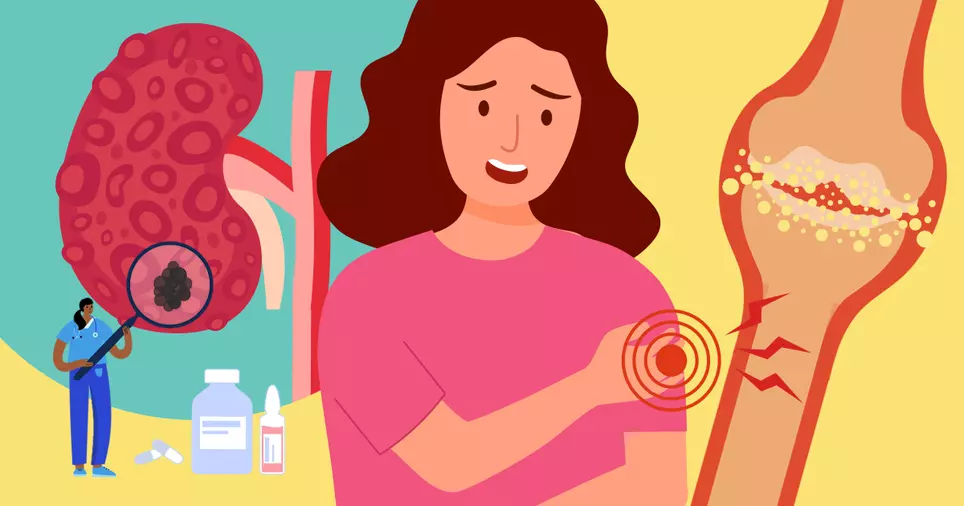
Yes, there is a specific connection between kidney disease and a type of arthritis called gout. When kidneys are damaged, they may not be able to properly filter uric acid from the blood. This leads to a buildup of uric acid that forms sharp crystals in the joints, particularly in the big toe, causing gout.

Gout causes Show Full Answer

Yes, there is a specific connection between kidney disease and a type of arthritis called gout. When kidneys are damaged, they may not be able to properly filter uric acid from the blood. This leads to a buildup of uric acid that forms sharp crystals in the joints, particularly in the big toe, causing gout.

Gout causes swelling, joint pain, redness, and stiffness during flare-ups. These attacks can last from a few days to a week. Without proper treatment, acute gout can develop into chronic gout, leading to more frequent flares and potential permanent joint damage. If you have kidney disease and experience joint pain or swelling, especially in your big toe, it's important to discuss these symptoms with your healthcare provider. They may refer you to a rheumatologist or your primary care doctor for proper gout management. Early detection and treatment can help prevent long-term joint damage and manage symptoms effectively.

April 23, 2025

Related Questions

View All
Continue with Facebook
Continue with Google
By joining, you accept our Terms of Use, and acknowledge our collection, sharing, and use of your data in accordance with our Health Data and Privacy policies.
Already a member? Log In