What a journey to have been navigating since such a young age — that takes real strength. While direct responses from others here aren't available, there's some helpful information that may resonate with your experience.
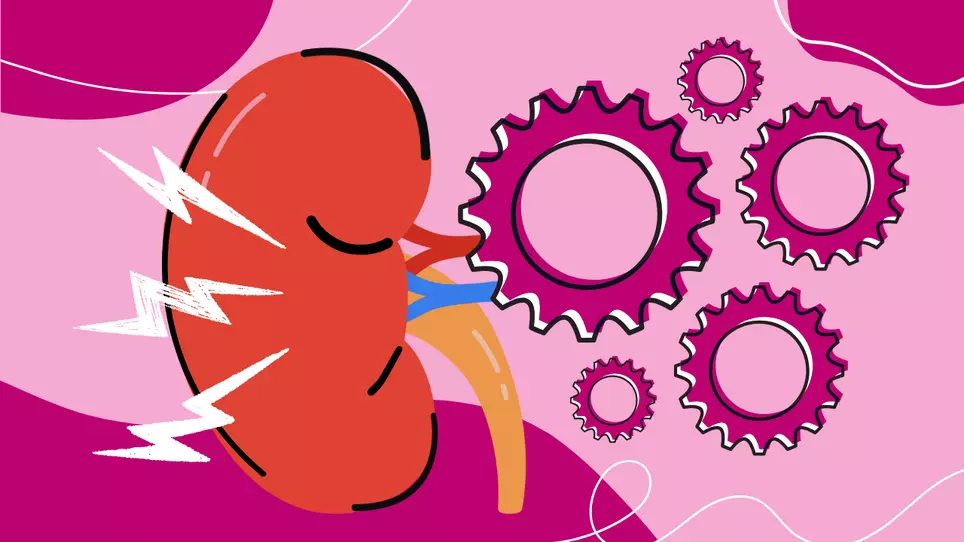
Kidney pain is typically felt in these areas:
- Just under the rib cage
- The sides of the body
- Lower or Show Full Answer
What a journey to have been navigating since such a young age — that takes real strength. While direct responses from others here aren't available, there's some helpful information that may resonate with your experience.
Kidney pain is typically felt in these areas:
- Just under the rib cage
- The sides of the body
- Lower or upper back
- Sometimes radiating to the belly or groin
Common causes of kidney pain can include:
- Kidney stones
- Infections
- Cysts (fluid-filled sacs)
- Blockages in the urinary system When it comes to managing kidney pain, there are a few general approaches worth knowing about.
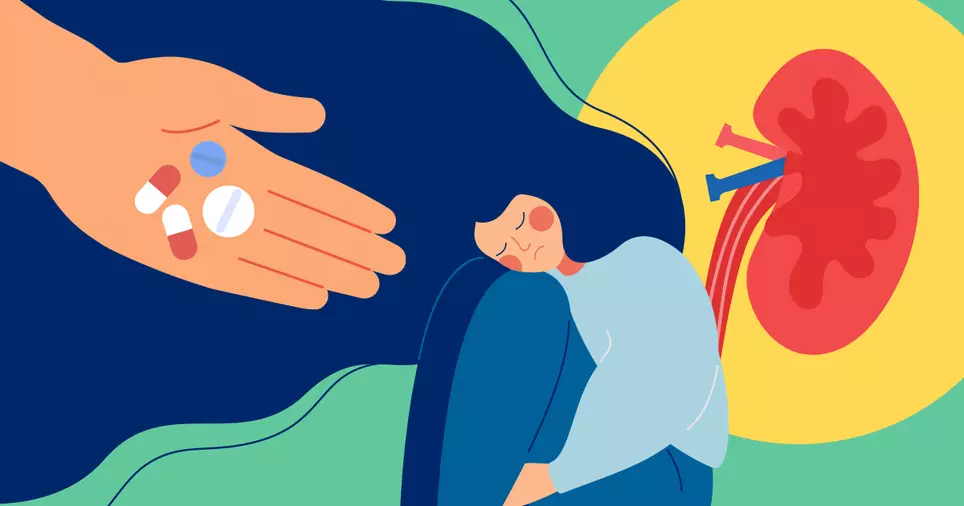
Pain relief options may include acetaminophen (like Tylenol), but it's really important to check with your doctor first — some common pain relievers like ibuprofen (NSAIDs) can actually be harmful to kidneys.
Most importantly, any new or worsening pain — especially alongside swelling, fever, or changes in urination — should be discussed with your nephrologist promptly. Getting on top of it early can prevent bigger problems down the road.
Given your unique history with a single kidney, staying closely connected with your kidney specialist is especially important for monitoring and adjusting your care.
September 28







 Continue with Facebook
Continue with Email

 Join



 Your Privacy Choices
